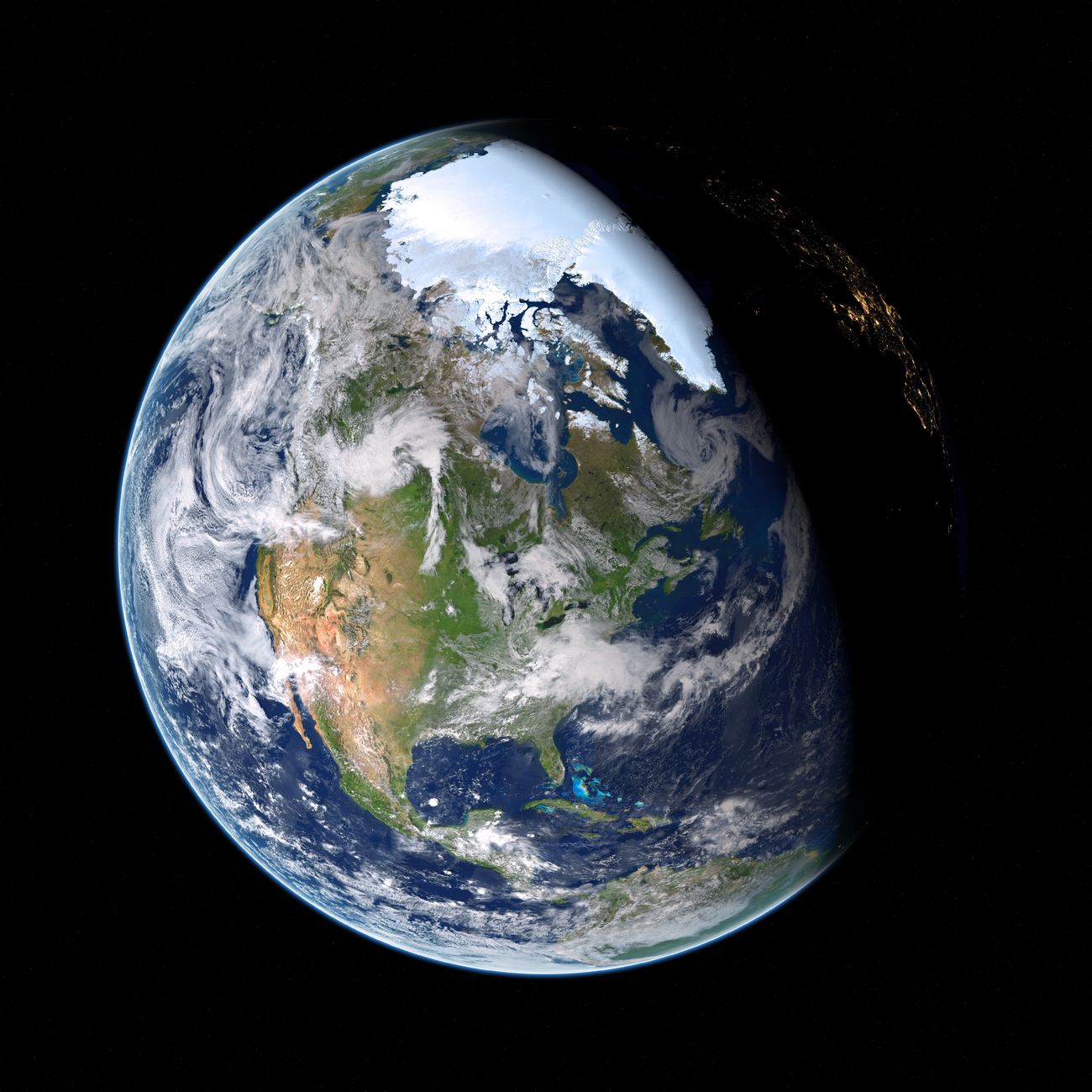
crewed
The ISS
Seven humans, 420 km up, moving at 7.66 km/s.
alt 408 km
A live map of every satellite, rocket and station above you — orbital mechanics made beautiful, so you can watch humanity's hardware circle the earth, get pass alerts, and follow every launch from pad to parking orbit.
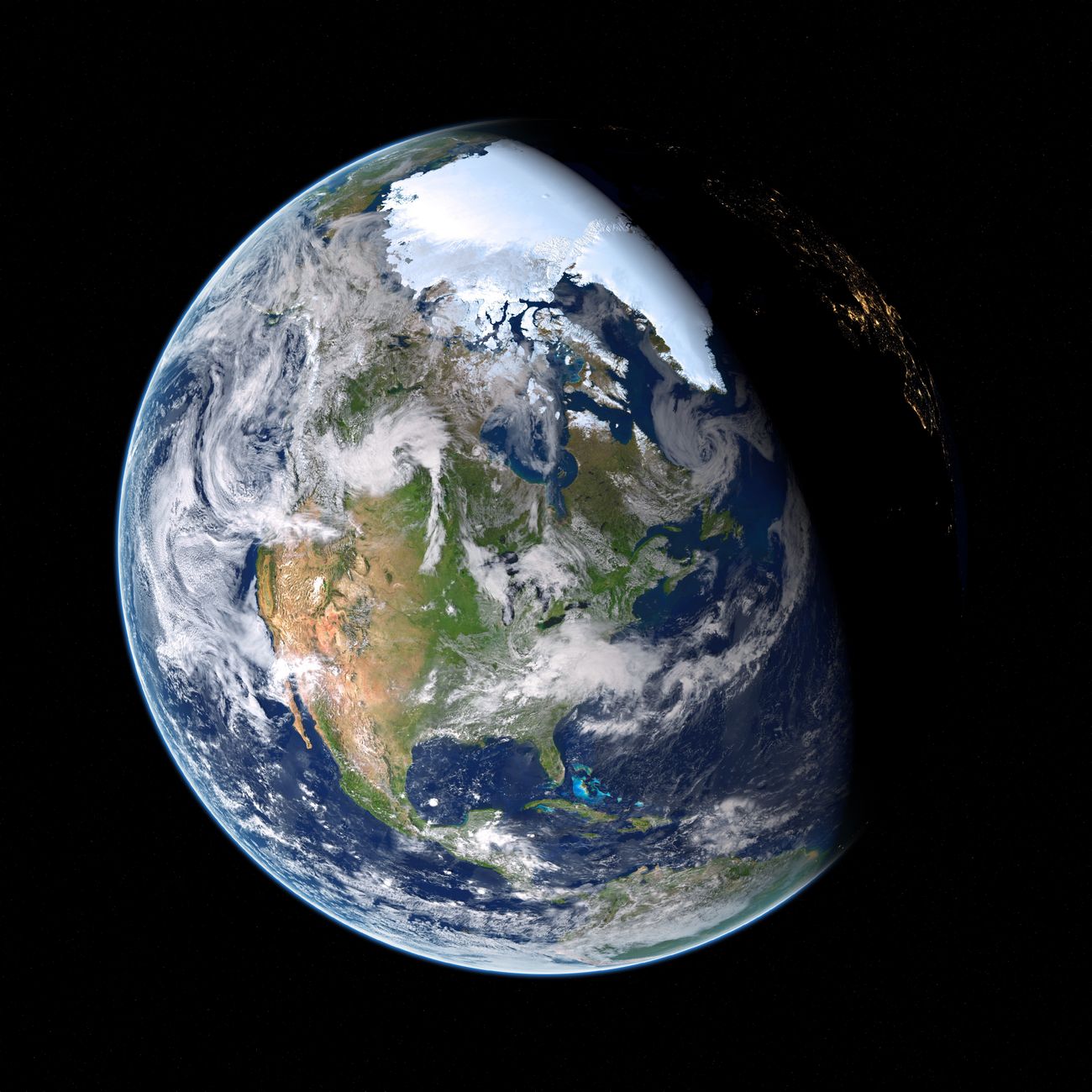
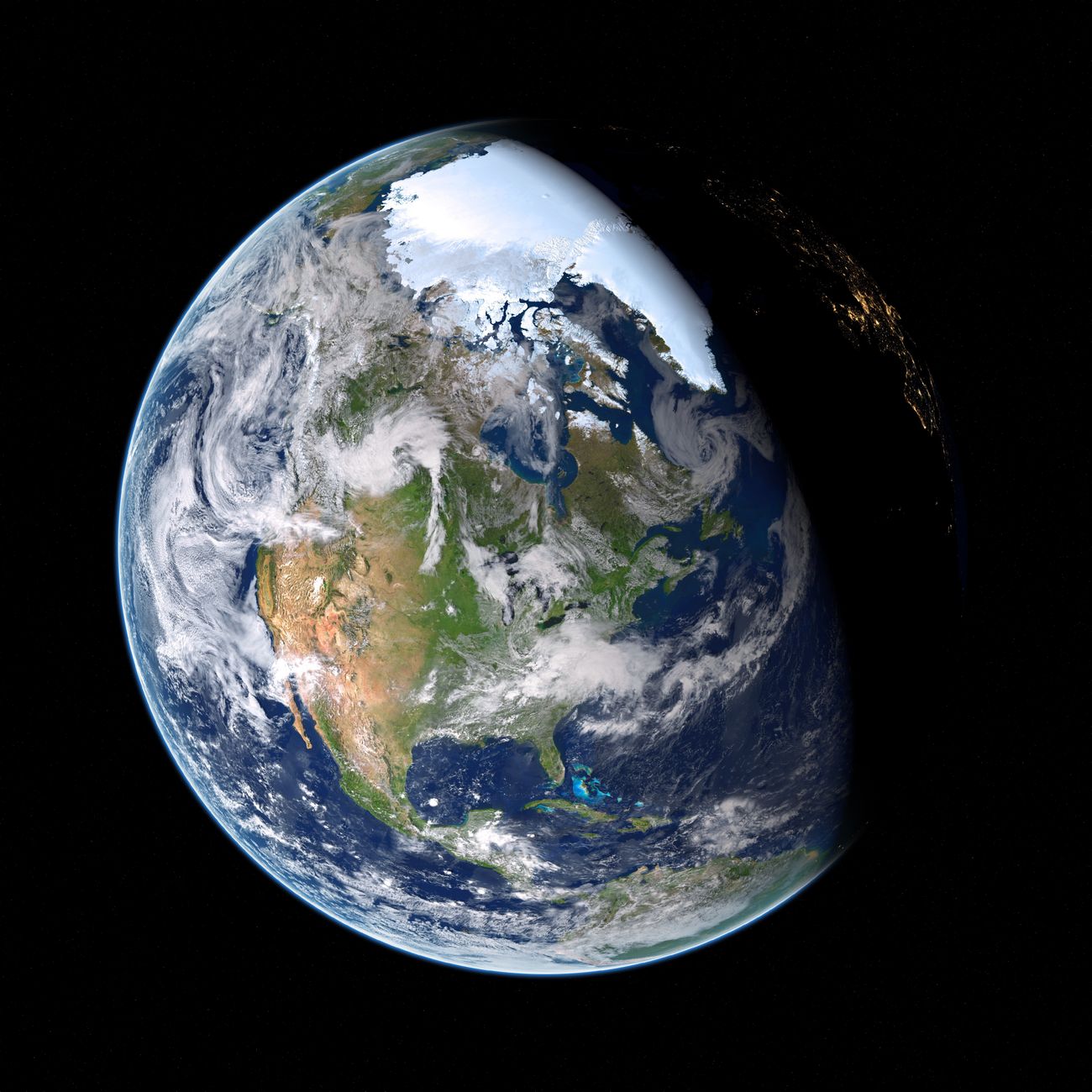
Three steps. No telescope required.
Orbit pulls fresh TLEs for every satellite, stage, and fleck of debris — then plots them all on one live map.
From your coordinates we compute exactly when the bright ones cross your sky, and how long you'll have.
Alerts, replays, and launch feeds — the whole of near-earth space, legible for the first time.
The sky, made simple.
Every object above you, updated every sixty seconds, in one spinning map.
Know the exact minute the ISS or a bright train crosses your roof.
Every orbital launch, from T-minus through stage separation to parking orbit.
Real doppler and ranging from a ground network on six continents.
TLEs, ephemerides, and a public API — free, with attribution.
Astrophotographers, ham operators, and sky-watchers who share the map.
Every dot is a real object, moving on its real orbit.
Shot from and of orbit.
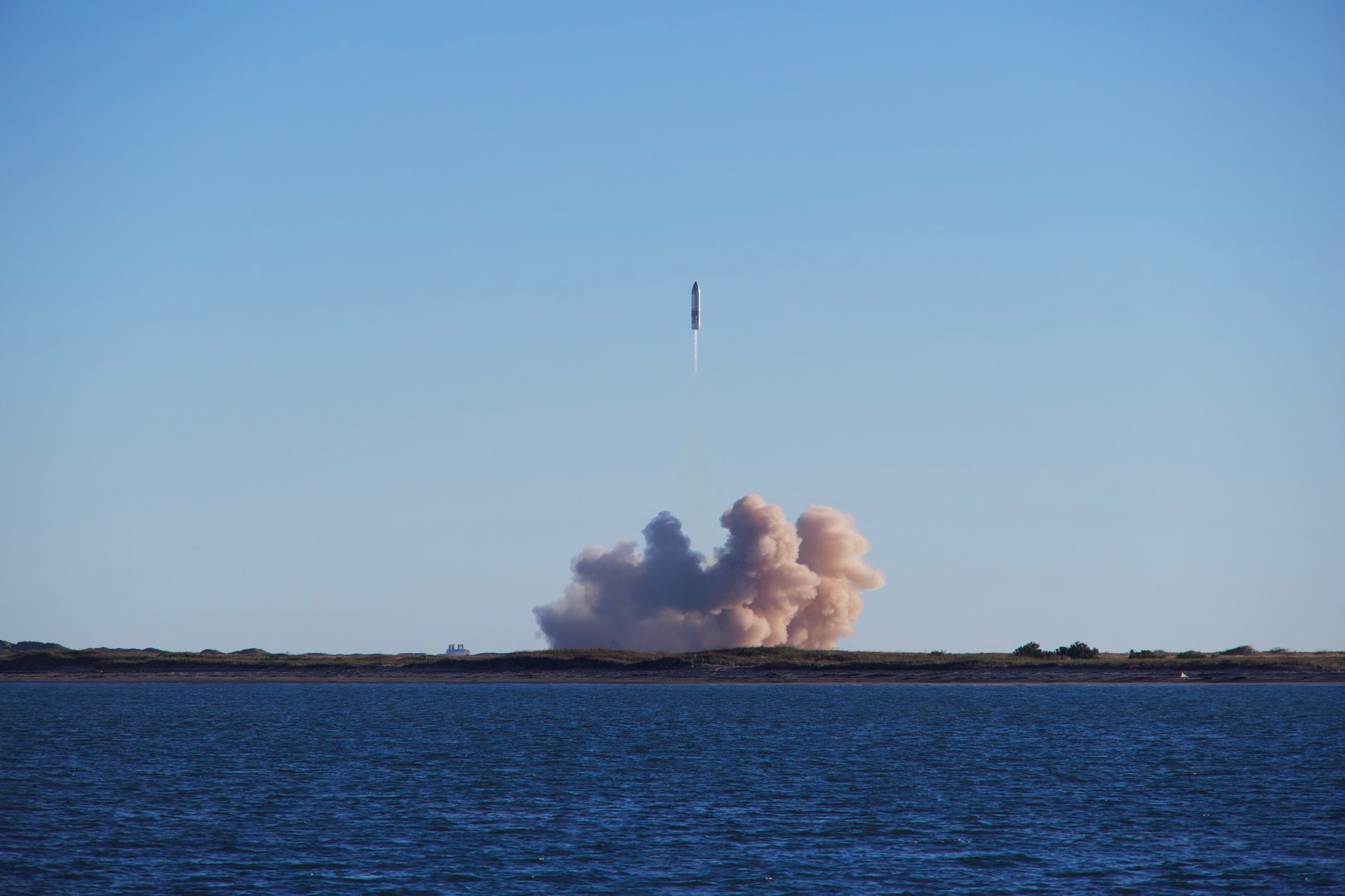
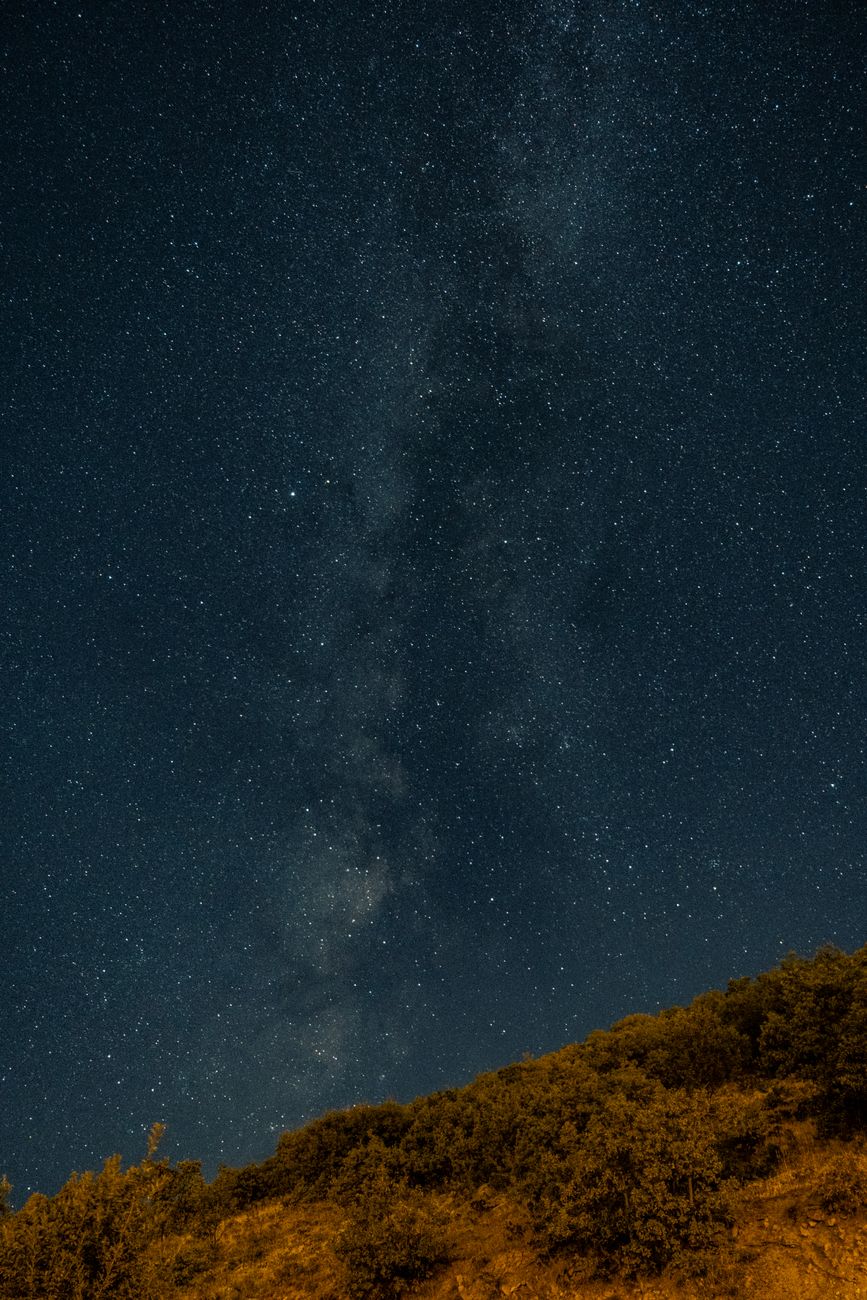
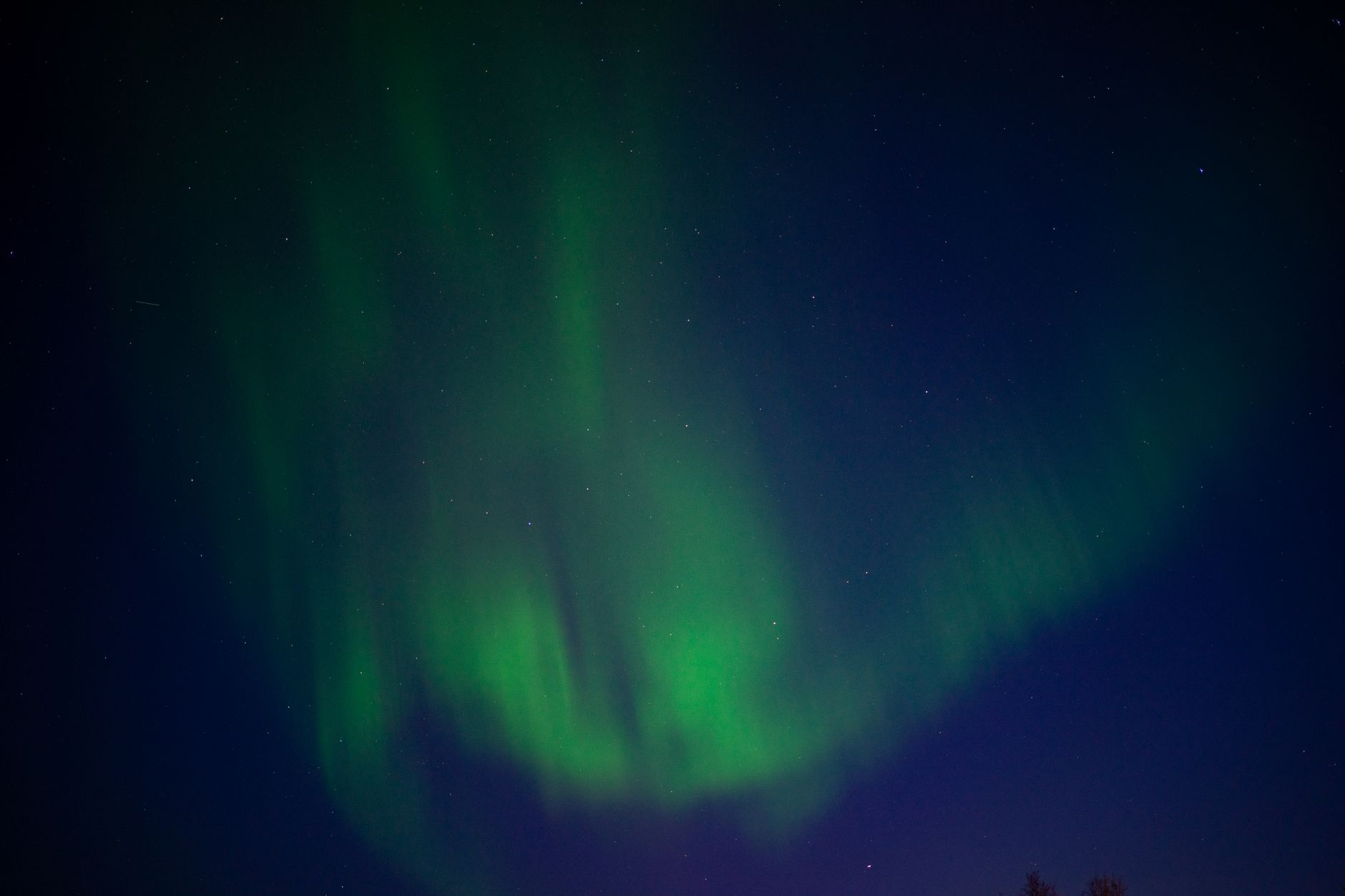
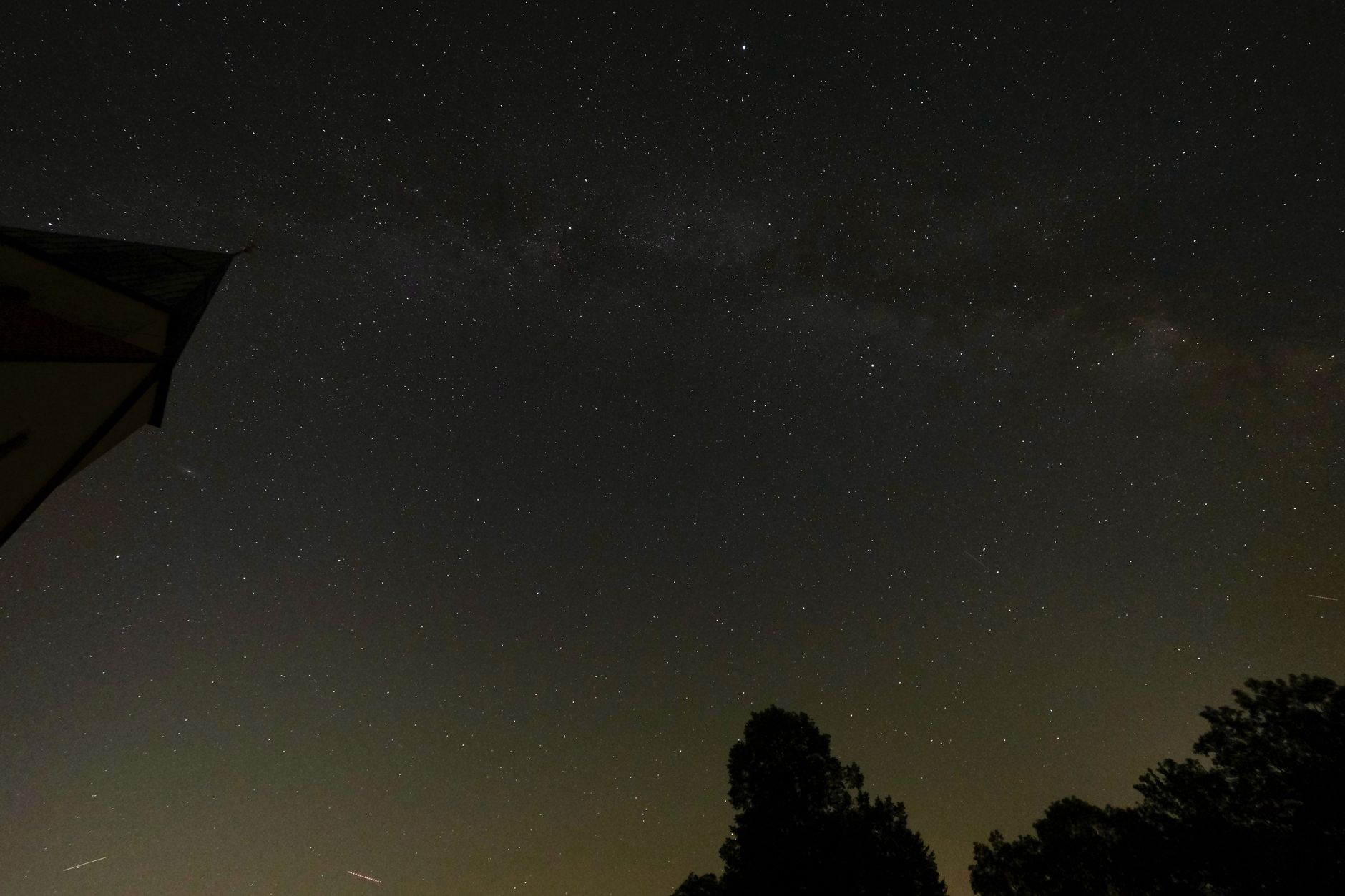
One launch, from the pad up.
A few of the things we're following this minute.
Seven humans, 420 km up, moving at 7.66 km/s.
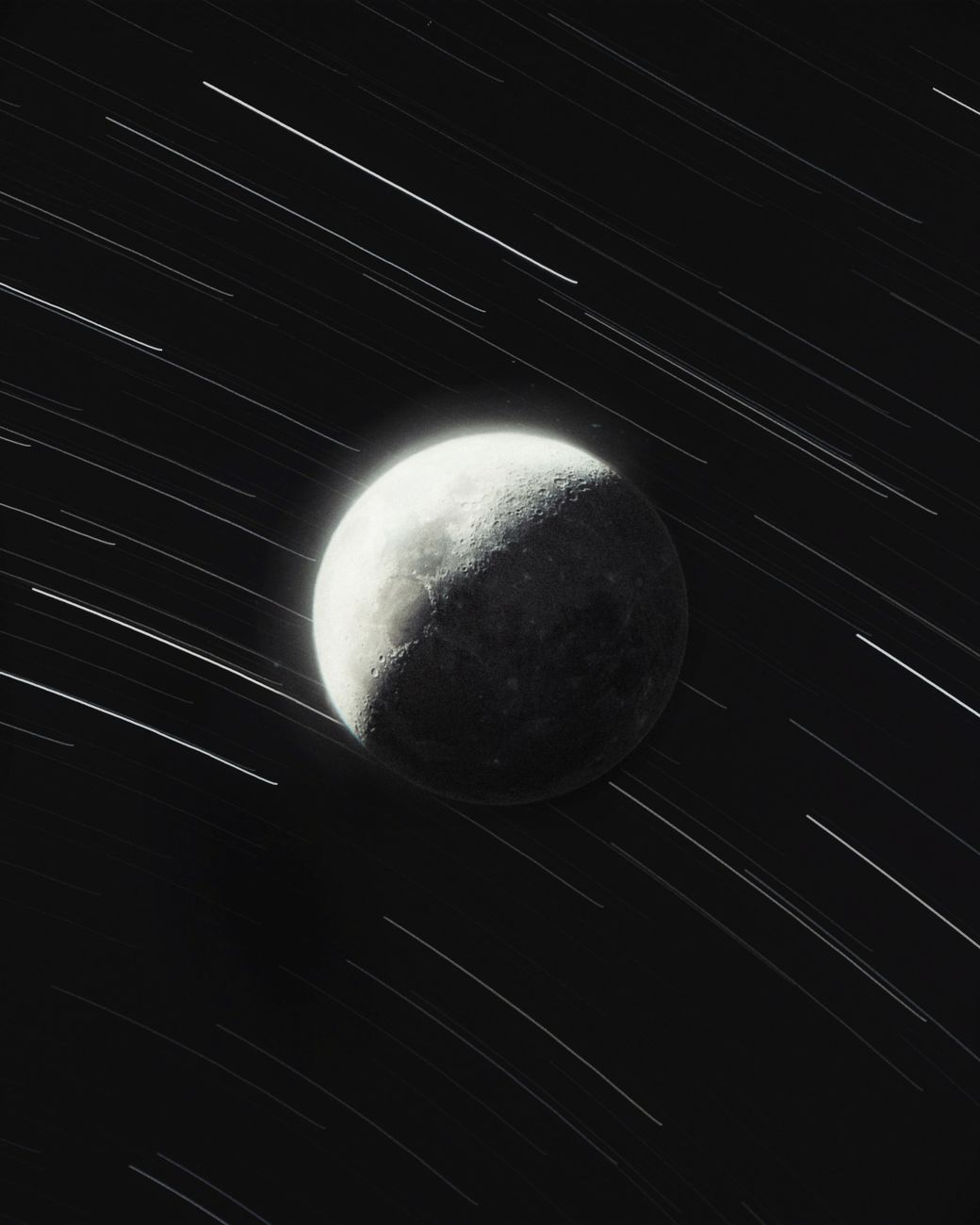
Five thousand satellites flying in formation.
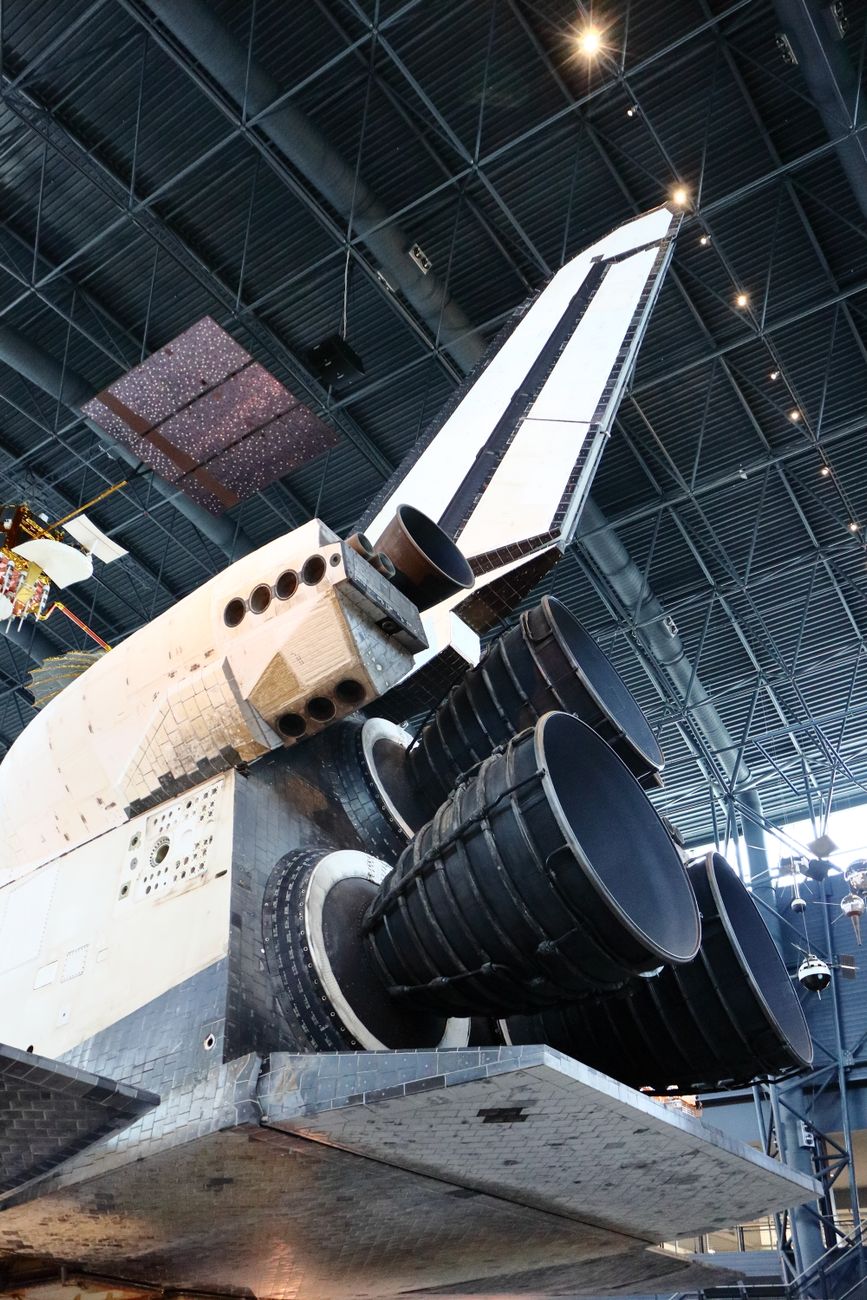
Thirty years old and still the best eye we have.
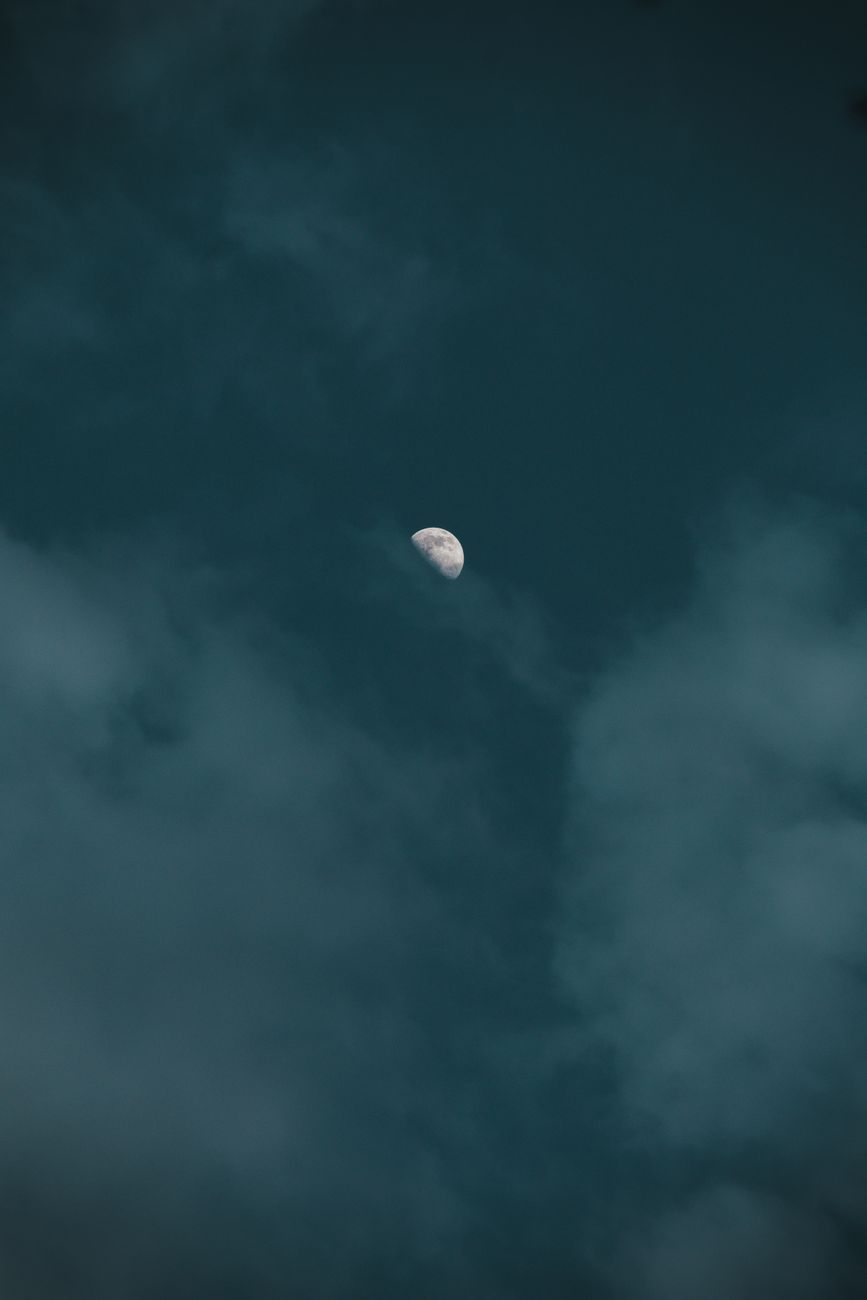
The next thing we're walking on.

I built the first version of orbit in a rented garage with a $30 SDR dongle and a coat-hanger antenna, listening to NOAA weather satellites as they passed over my house. That first "beep" from a satellite 800 kilometers up rewired my brain.
What I realized: the sky is not empty and it is not still. There are twenty-seven thousand objects up there, and every single one is moving. Most of us never notice because it all happens in silence, too slow to watch and too fast to follow.
So here's the invitation. Open the live map, pick a satellite, and follow it around the planet once. You'll never look up the same way again.
Live, from our backend.
People who finally saw it.
"I've been watching satellites since the 90s. Orbit is the first tool that made it feel like the sky was speaking back."
"Set the ISS alert, walked outside at 9:14, and there it was — exactly where the app said. My kids won't stop talking about it."
"The live map is hypnotic. I leave it on my second monitor and watch the constellation trains crawl across the Pacific."
Where we're going.
Live orbital map + pass predictions, in open beta.
Launch tracking with per-event telemetry and replays.
A public API and open ephemeris archive for builders.
Mobile apps with offline star maps and a sky-scan camera.
watch the sky move.